EPCG developing a virtual power plant as the next phase of the energy transition
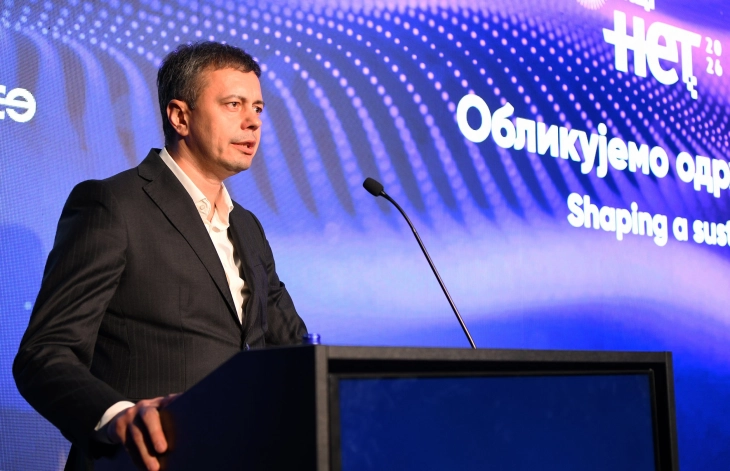
Budva, (MINA-BUSINESS) – It was announced at the EPCG NET energy symposium in Budva that Elektroprivreda (EPCG) is developing the concept of a virtual power plant (VPP) as the next step in the energy transition, aiming to enable more efficient integration of renewable energy sources and better management of power system flexibility.
During a presentation titled “Virtual Power Plant: A Platform for Flexibility Management,” EPCG Technical Director Ljubisa Djurkovic recalled that the main objectives of the energy transition are the decarbonisation of the energy sector, a higher share of renewable energy, improved energy efficiency, lower emissions and alignment with European Union (EU) climate policies, with the goal of achieving climate neutrality by 2050.
Reviewing progress to date, Djurkovic noted that EPCG launched the development of the prosumer concept in November 2022 through the Solari 3000+, Solari 500+ and Solari 5000+ projects.
“The Solari projects are based on the model of ‘producing energy where it is consumed’, which has proven highly successful. The EU has also confirmed the validity of this approach through its new directive on the energy performance of buildings. Rooftops have become electricity generation facilities, while consumers have also become producers – prosumers,” Djurkovic said.
Speaking about the next phase of the energy transition, he stressed that a key challenge is how to store electricity generated from renewable sources and integrate it efficiently into distribution and transmission networks.
“One of the trends that is becoming increasingly popular in European Union countries is the development of virtual power plants,” Djurkovic said.
A virtual power plant does not generate electricity at a single location. Instead, it centrally manages solar power plants, battery energy storage systems, electric vehicle chargers, flexible consumption and other distributed energy resources.


